
What Is a High-Velocity HVAC System? Pros, Cons & SpacePak
A high velocity hvac system is a small-duct heating and cooling system that delivers conditioned air through compact, flexible two-inch tubing instead of the bulky metal ductwork used in conventional systems. Often called small-duct high-velocity, or SDHV, these systems were designed to bring central comfort to homes where traditional ductwork will not fit. SpacePak is one of the best-known brands in this category, and Dynamic Heating, Cooling & Geothermal installs high-velocity systems throughout Connecticut. The questions below explain how high-velocity systems work, what they cost, and whether one suits your home.
How High-Velocity HVAC Systems Work
Q: What is a high-velocity HVAC system?
A high-velocity HVAC system is a central heating and cooling system that moves air at higher speed through small, flexible ducts about two inches in diameter. A compact air handler pressurizes the air and pushes it to discreet round outlets, delivering whole-home comfort without the large rectangular sheet-metal ductwork conventional systems require. Dynamic Heating, Cooling & Geothermal installs these systems across Connecticut.
Q: What is aspiration in a high-velocity system?
Aspiration is the air-mixing effect that gives high-velocity systems their even comfort. As air exits the small outlets at high speed, the airstream pulls surrounding room air into its flow, creating gentle, continuous circulation. Aspiration eliminates the warm and cool layers common with conventional vents and produces steady temperatures from floor to ceiling.
Q: How is a SpacePak high-velocity system different from a mini-split?
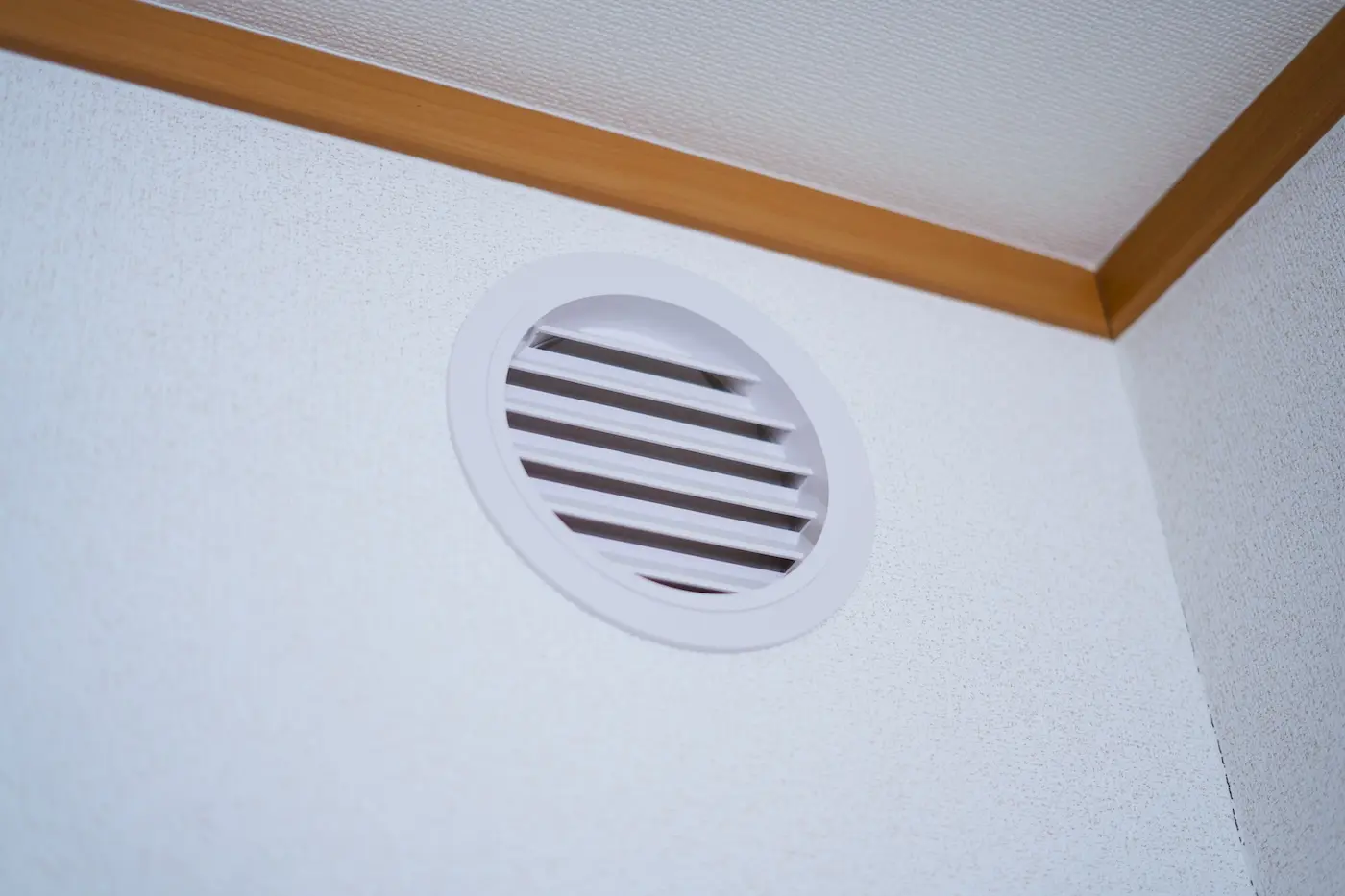
A SpacePak high-velocity system is a fully ducted central system, while a mini-split is a ductless system with visible indoor units. A ductless mini-split mounts units on walls to condition individual zones, whereas a SpacePak system hides small tubing inside walls and floors and delivers whole-home comfort through unobtrusive five-inch outlets that preserve a room’s appearance.
The Advantages of a High-Velocity System
Q: Why are high-velocity systems good for older homes?
High-velocity systems are ideal for older homes because the small, flexible tubing fits where conventional ductwork cannot. Older and historic Connecticut homes often lack the wall and ceiling cavities needed for standard ducts, and retrofitting those ducts can damage plaster and architectural detail. The two-inch high-velocity tubing threads through existing cavities with minimal disruption, which is why Dynamic Heating, Cooling & Geothermal often recommends these systems for historic properties.
Q: Do high-velocity systems control humidity better?
High-velocity systems remove more humidity than conventional central air. According to manufacturer SpacePak, its high-velocity system removes about 30 percent more humidity than a conventional central air system. Because drier air feels cooler, homeowners can often set the thermostat higher while staying comfortable, which can lower cooling energy use.
Q: How even is the comfort from a high-velocity system?
Comfort from a high-velocity system is notably even because the aspiration effect keeps room air continuously mixed. High-velocity systems largely eliminate the temperature stratification and drafts of conventional forced-air systems, and manufacturers report a floor-to-ceiling temperature difference of less than two degrees. The result is fewer stuffy upper floors and fewer cold spots near the floor.
Q: Are high-velocity systems quiet and discreet?
High-velocity systems are both quiet and visually discreet. The tubing uses sound-attenuating design to keep operation quiet, and the outlets are small five-inch round or slotted vents that blend into ceilings, walls, or floors. Compared with wall-mounted units or large registers, high-velocity outlets are far less visually intrusive throughout the living space.
The Drawbacks of a High-Velocity System
Q: What are the main disadvantages of a high-velocity system?
The main disadvantages of a high-velocity system are higher upfront cost and, in poorly designed installations, a noticeable airflow feel near an outlet. A high-velocity system can cost more than conventional central air, but professional load calculations and correct outlet placement prevent most airflow complaints. Dynamic Heating, Cooling & Geothermal designs each Connecticut system to avoid these issues.
Q: Are high-velocity systems less energy efficient?
High-velocity systems are not inherently less efficient than conventional systems. The seamless, insulated tubing greatly reduces the air leaks common in conventional ductwork, and strong humidity removal allows a higher thermostat setting. Real-world efficiency depends heavily on proper system design and installation, so an experienced, certified installer such as Dynamic Heating, Cooling & Geothermal makes a meaningful difference.
Q: Is installing a high-velocity system more complex?
Installing a high-velocity system requires more planning than a standard system, because routing flexible tubing through an existing home takes expertise. The work is still far less invasive than retrofitting large ducts, which often means opening walls and ceilings. Choosing an installer experienced specifically with SpacePak and high-velocity systems is the most important factor in a smooth installation.
High-Velocity System Cost and Fit
Q: How much does a high-velocity HVAC system cost?
A whole-house high-velocity HVAC system typically costs between $6,000 and $18,000 installed, with an average of roughly $12,000 for a standard single-family home. Connecticut pricing varies by home size, layout, and installation complexity, so Dynamic Heating, Cooling & Geothermal provides an in-home assessment to give each homeowner an accurate figure for a high-velocity system.
Q: Can a high-velocity system heat and cool a home?
A high-velocity system can both heat and cool a home when paired with the right equipment. A SpacePak or similar system provides year-round central heating and cooling through the same small-duct network, connecting to various outdoor units and heat sources. A high-velocity system is a true whole-home comfort solution rather than a cooling-only addition.
Q: Is my Connecticut home a good candidate for a high-velocity system?
A Connecticut home is a good candidate for a high-velocity system if it lacks existing ductwork, is historic, or has additions where conventional ducts are impractical. Dynamic Heating, Cooling & Geothermal performs a room-by-room load calculation to confirm the high-velocity system is correctly sized before recommending equipment and outlet placement.
Q: How do I choose a high-velocity system installer in Connecticut?
Choose a Connecticut high-velocity system installer with specific SDHV experience and manufacturer training, because design and installation quality determine performance. Ask about load calculations, outlet placement, and past high-velocity projects in homes like yours. Dynamic Heating, Cooling & Geothermal brings dedicated high-velocity and SpacePak experience to homes throughout Connecticut.
Deciding Whether High-Velocity Fits Your Home
High-velocity systems solve a problem conventional HVAC cannot: delivering even, discreet, whole-home comfort to houses where standard ductwork does not fit. High-velocity systems excel in older and historic homes, offer strong humidity control, and preserve the look of each room, though they require a higher upfront investment and skilled installation. The right choice depends on your home’s construction, your comfort goals, and the expertise of your installer.
Homeowners across Connecticut who are considering a SpacePak or high-velocity system can turn to Dynamic Heating, Cooling & Geothermal for a straightforward assessment of whether a high-velocity system fits their home. Contact Dynamic Heating, Cooling & Geothermal to learn more about high-velocity comfort options for your home.

Recent Articles
Explore Our Blog