
Boiler vs Furnace: Key Differences for Connecticut Homeowners
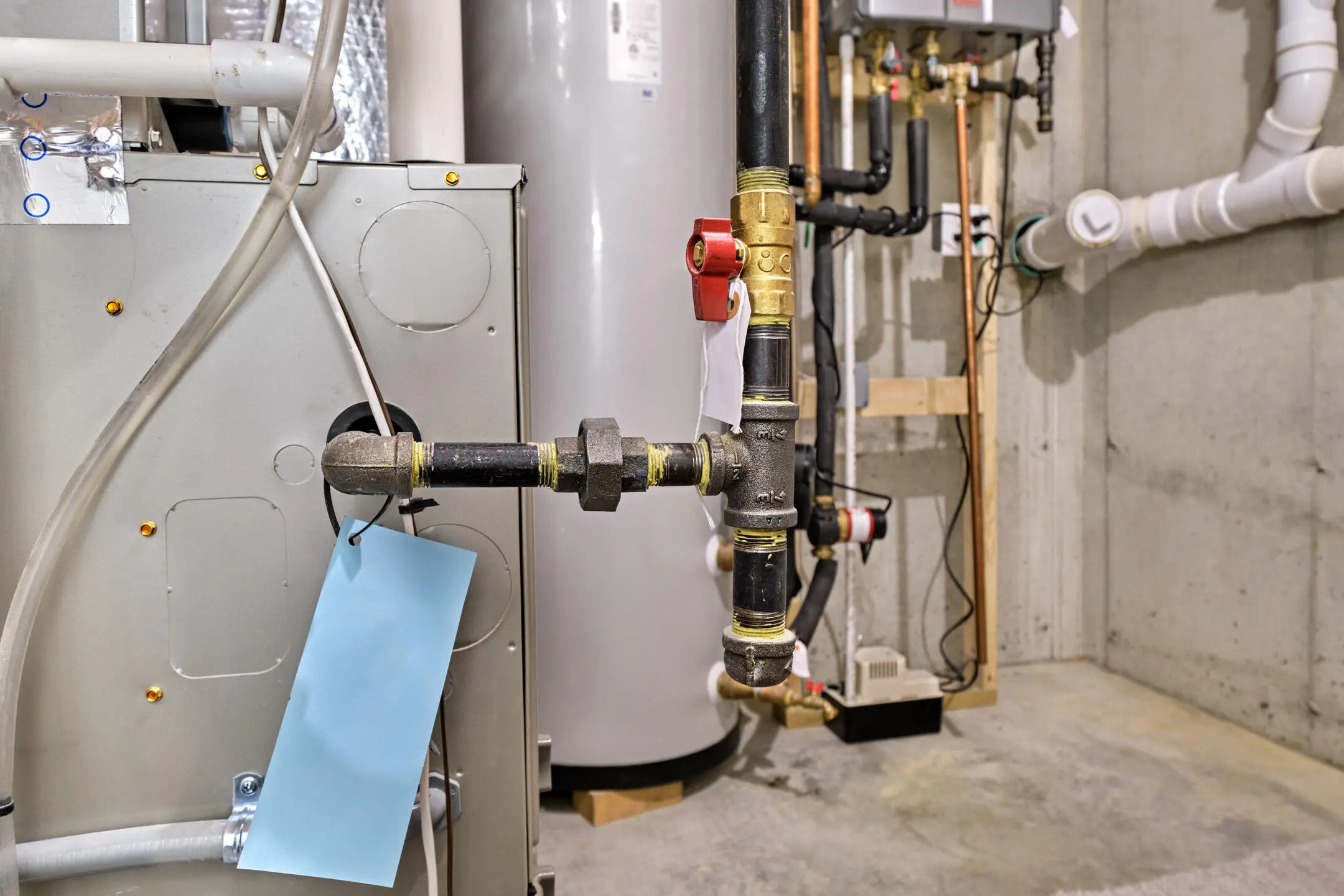
The boiler vs furnace question comes down to one core difference: a furnace heats air and distributes it through ducts, while a boiler heats water and sends it through pipes to radiators or radiant floors. Both are common in Connecticut homes, and each suits different houses, fuels, and comfort preferences. Understanding how they differ helps you make a confident choice when replacing a heating system. Dynamic Heating, Cooling & Geothermal installs and services both across Connecticut, and the questions below cover what homeowners most want to know.
Understanding How Each System Works
Q: What is the main difference between a boiler and a furnace?
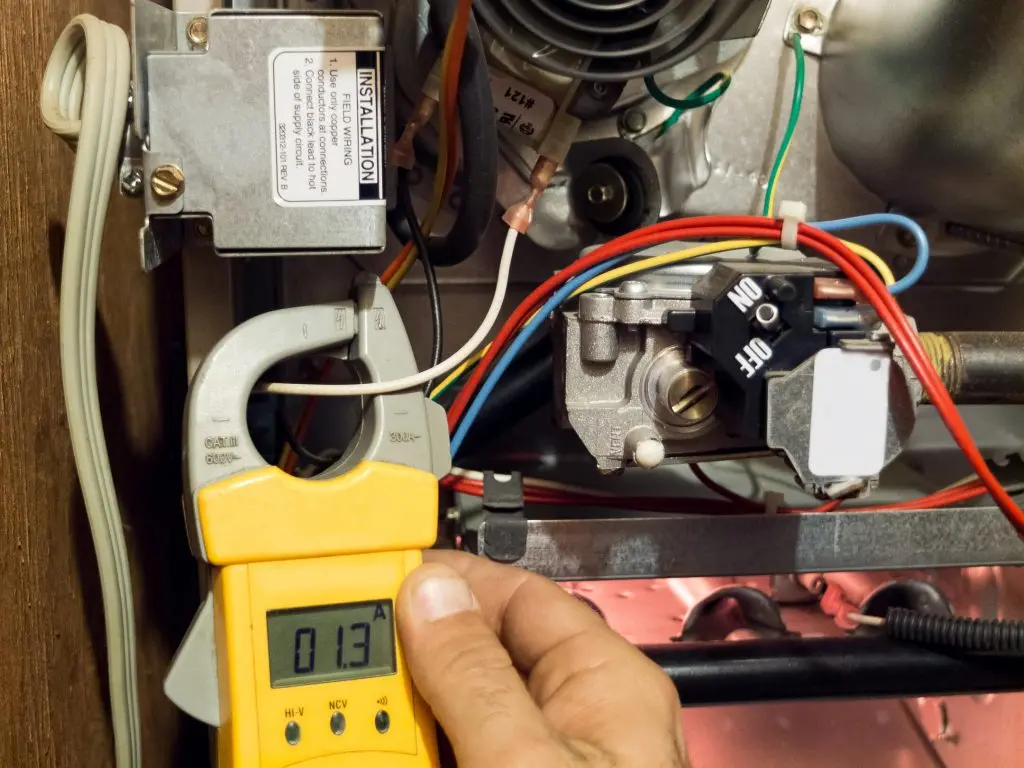
A: The main difference is that a furnace heats air while a boiler heats water. A furnace blows warm air through ducts to registers in each room, creating a forced-air system. A boiler heats water and circulates it through pipes to radiators, baseboards, or radiant floors, which is called a hydronic system.
Q: How does a furnace heat a Connecticut home?
A: A furnace heats a Connecticut home by burning gas or oil, or using electricity, to warm air that a blower pushes through ductwork. The warm air enters rooms through vents and registers. Because furnaces share ductwork with central air conditioning, they are common in homes that need both heating and cooling.
Q: How does a boiler heat a home differently?
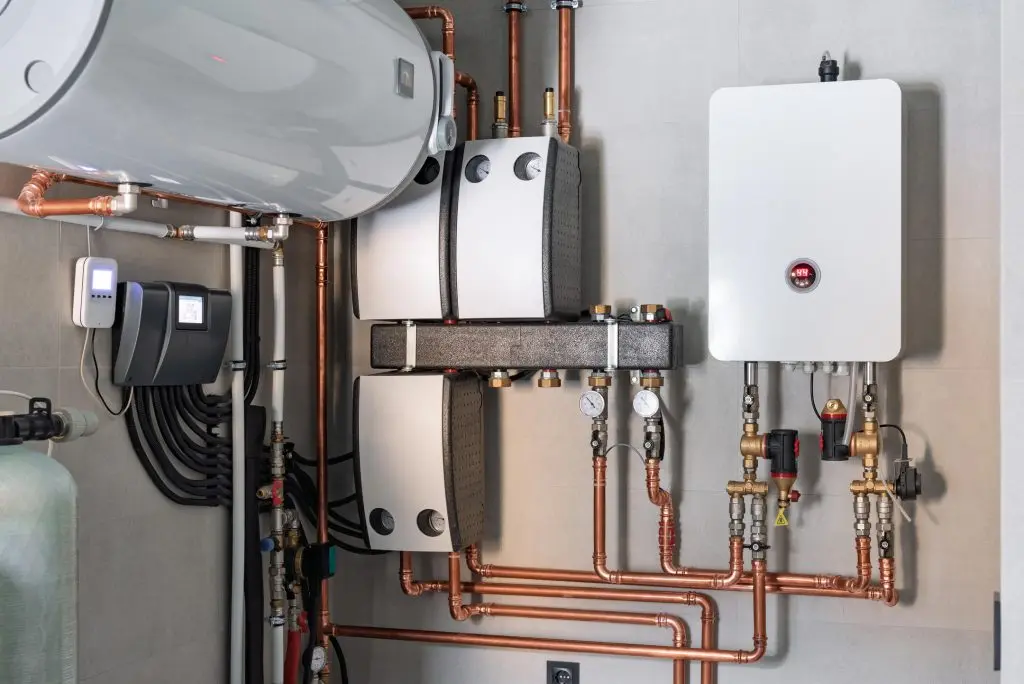
A: A boiler heats a home by warming water and circulating it through pipes rather than blowing air. The hot water releases heat through radiators, baseboard units, or radiant floor tubing, providing steady, even warmth. Many older Connecticut homes use boilers, and the system runs quietly without the drafts a forced-air system can create.
Comparing Comfort, Efficiency, and Air Quality
Q: Which provides more even and comfortable heat?
A: Boilers generally provide more even, consistent heat because hot water radiates warmth steadily rather than in bursts of forced air. Radiant and hydronic systems avoid the temperature swings and drafts common with furnaces. Furnaces heat a cold room faster, but boilers maintain a more uniform temperature, which many Connecticut homeowners find more comfortable in winter.
Q: Is a boiler or furnace more energy efficient?
A: Both boilers and furnaces can be highly efficient, and efficiency is measured by AFUE for each. According to the EPA’s ENERGY STAR program, certified gas boilers have AFUE ratings of 90 percent or greater and can save about $780 over the product’s lifetime, while certified oil boilers reach 87 percent AFUE. High-efficiency furnaces reach similar AFUE levels, so proper sizing and installation matter most.
Q: Which system is better for indoor air quality?
A: Boilers tend to be better for indoor air quality because they do not blow air, which means they do not circulate dust, allergens, or dry out the air the way forced-air furnaces can. Furnaces can support air filtration and humidification through the ductwork, but boilers avoid airborne distribution entirely. For allergy-sensitive Connecticut households, this difference can matter.
Q: Does one system work better for central air conditioning?
A: A furnace works better with central air conditioning because it already uses the ductwork that central AC requires. In a boiler-heated home, adding central air means installing separate ducts or choosing a ductless system. This is a key consideration for Connecticut homeowners who want both efficient heating and whole-home cooling.
Cost, Installation, and Maintenance
Q: Is a boiler or furnace more expensive to install?
A: Boilers typically cost more to install than furnaces, largely because of the piping and radiators or radiant tubing involved. Furnaces are often less expensive upfront, especially when ductwork already exists. The right choice depends on your Connecticut home’s existing infrastructure, and Dynamic Heating, Cooling & Geothermal provides an itemized quote after assessing your home.
Q: Which system requires more maintenance?
A: Both systems need annual professional maintenance, but they require different care. Furnaces need regular filter changes and duct attention, while boilers need checks for leaks, pressure, and circulation but have no filters to replace. Dynamic Heating, Cooling & Geothermal offers a maintenance program that keeps either system running efficiently across Connecticut winters.
Q: How long do boilers and furnaces last?
A: Boilers often last longer than furnaces, frequently 20 years or more, while furnaces typically last 15 to 20 years with proper maintenance. A boiler’s simpler mechanical operation and fewer moving parts contribute to its longevity. Regular maintenance is the biggest factor in reaching the upper end of either system’s lifespan.
Choosing the Right System for Your Home
Q: Should I choose a boiler or furnace for my Connecticut home?
A: The right choice depends on your existing system, your comfort priorities, and whether you want central air conditioning. Homes with existing ductwork often favor a furnace, while homes with radiators or a preference for even, quiet heat favor a boiler. Dynamic Heating, Cooling & Geothermal helps Connecticut homeowners weigh these factors before deciding.
Q: Can I switch from a boiler to a furnace or vice versa?
A: Switching between a boiler and a furnace is possible but involves significant work, since it means adding ductwork or piping that the home may not have. Because of the cost and disruption, most Connecticut homeowners replace like with like unless they are renovating. A contractor can assess whether a switch makes sense for your home.
Q: What fuel options are available for each system?
A: Both boilers and furnaces can run on natural gas, oil, or propane, and furnaces can also be electric, which matters in Connecticut where many homes use oil heat. Fuel availability and cost influence the decision, especially given Connecticut’s high energy prices. Dynamic Heating, Cooling & Geothermal can review fuel options as part of an in-home assessment.
Making the Right Heating Choice in Connecticut
Choosing between a boiler and a furnace comes down to how each heats your home, your comfort preferences, your need for central air conditioning, and your existing system. Furnaces offer faster warm-up and easy pairing with central cooling, while boilers deliver quiet, even, allergy-friendly heat and often last longer. The best choice depends on your specific Connecticut home and how you want it to feel.
If you are weighing a boiler versus a furnace for your Connecticut home, Dynamic Heating, Cooling & Geothermal can assess your system and help you choose the right fit. Contact Dynamic Heating, Cooling & Geothermal for honest guidance on the heating system that best suits your home.

Recent Articles
Explore Our Blog